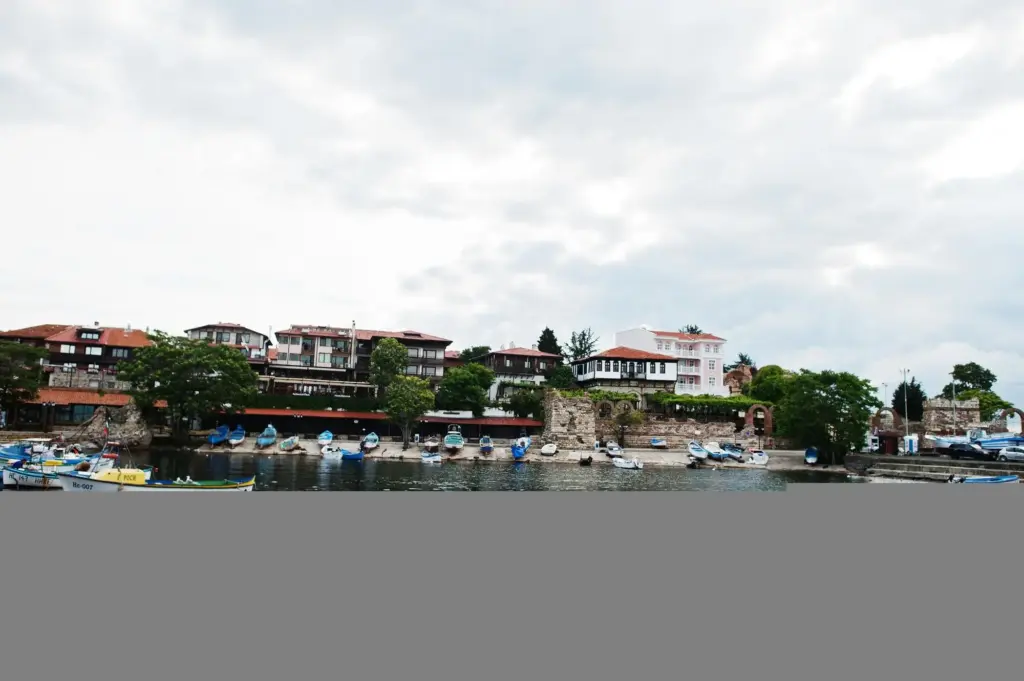
Harbors of Devon, Framed by the Tide

Today we explore photographing Devon harbors and the best quayside walks at high versus low tide, celebrating shifting shorelines, reflective water, and working boats. Expect route ideas, safety notes, timing strategies, and creative prompts that blend practical know‑how with stories gathered among nets, gulls, lanterns, and weatherworn stone. Bring curiosity, good soles, and a sense of patience to meet light, water, and community with respect.

Timing Water and Light for Quayside Magic

Tide height changes everything: at high water, reflections polish granite and glass the hulls; at low water, mudflats, keels, and rope patterns unlock textures and grounded narratives. Plan with UK Hydrographic Office data or trusted apps, then pair golden or blue hour with tidal curves. Working harbors add moving subjects, so align timing with unloading routines, safety access, and your preferred shutter speed mood.

Reading Tide Tables Without Guesswork

Look beyond simple high and low labels. Note height predictions, spring versus neap cycles, and how a strong onshore wind can raise levels unexpectedly. In estuaries like the Dart or the Taw, timing differs along the reach, so verify nearby stations. Mark arrival, peak, and ebb windows, then scout vantage points that either need water for mirror surfaces or crave exposure for textured, grounded frames.
Golden, Blue, and Working Hours Together

Golden hour color lifts nets, pots, and brick facades; blue hour turns lamps and wheelhouse lights into soft jewels. Meanwhile, crews have their own clock—fish auctions, refueling, net mending. Combine these schedules: arrive before peak activity to previsualize, then stay as light changes. Long exposures at high water smooth wake lines; brisk shutters at low water honor hands, tools, and purposeful motion.

Tools That Work When Cobblestones Are Wet

Quayside walking rewards compact, weather‑aware kits. A small tripod or clamp steadies long exposures on railings; a circular polarizer manages glare on varnished hulls; a lightweight telephoto compresses boat ranks at high water. Keep microfiber cloths ready for sea spray, and use sling or belt systems that don’t snag on cleats. Most of all, protect balance and mobility while keeping creative options open.

Dartmouth’s River Edge and Castle Mouth

Trace the embankment where houses lean toward the Dart like curious spectators. High water carries mirror‑bright ferries and shuttles; low water reveals timbers and ladder stains beneath quay walls. Continue toward the castle mouth for wider skies and dramatic swell patterns. Respect moorings and private pontoons, and watch for sudden wake from passing craft. Evening light paints slate roofs; morning mist gathers in quiet folds.

Brixham Breakwater to Fishmarket Loop

Walk the breakwater for clean sightlines over trawlers, then circle back into lanes where nets and pots stack like sculpture. High tide compresses colorful reflections beneath the market; low tide unlocks foreground textures by the slipways. Early starts catch crews unloading, creating candid, dignified portraits from a respectful distance. If gulls grow bold, step back kindly. Lanterns and café windows glow during blue hour magic.

North Devon Quays: Rugged Angles and Long Horizons

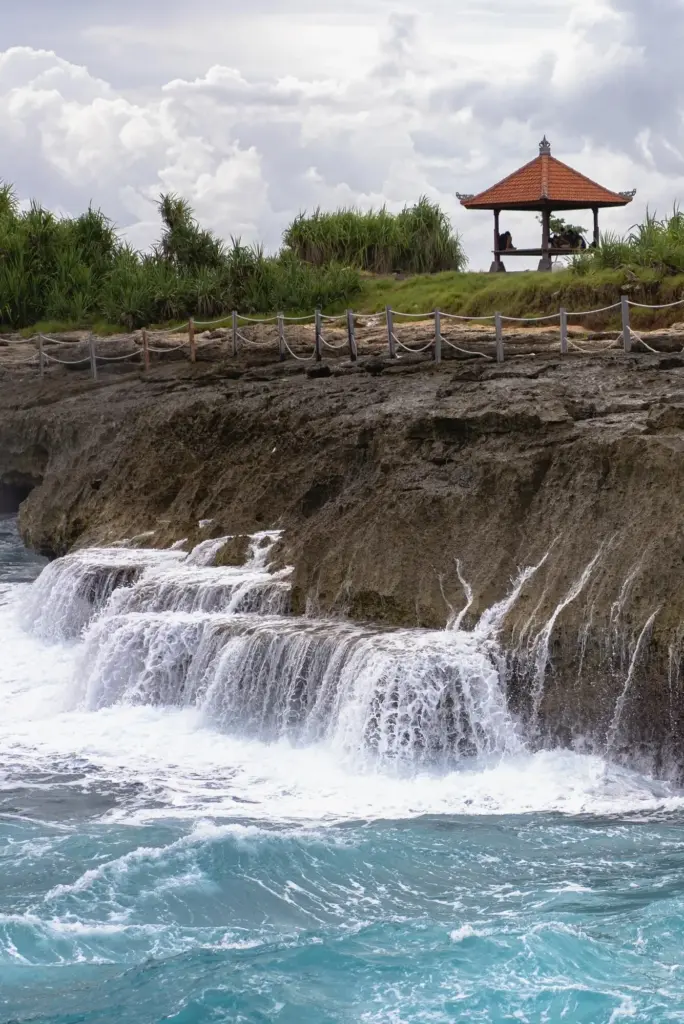
North Devon feels wilder: Atlantic air, taller swells, and piers leaned into weather. High water brings punchy reflections and gleaming hulls; low water exposes dramatic stonework, kelp fronds, and the patient geometry of slipways. Expect fast‑changing light and theatrical clouds. Here, careful footing and wind‑aware stances matter. Embrace long exposures to trace movement, then switch to crisp shutters when sea birds slice through sudden shafts of sun.

Compositions That Carry Salt and Story

Quayside composition thrives on patience. Let ropes become lines, bollards become punctuation, and puddles become portable skies. Work sequences: context, detail, portrait, and gesture. High water favors symmetry and reflection; low water favors texture and narrative layers. Move gently, listen for work rhythms, and allow frames to gather meaning from time spent, not just time saved. Your contact sheet should smell faintly of brine.

Safety, Courtesy, and Belonging by the Water

Good photographs and good manners travel together. Quays are workplaces first, pathways second, and picture playgrounds third. Keep clear of operations, never block emergency routes, and treat advice from locals as a gift. Watch tide and weather, respect private pontoons, and leave every surface as you found it. Share your work with community groups, credit sources, and invite stories that help these places thrive beyond any single frame.
Sanokarovarolivosirarino
Privacy Overview

This website uses cookies so that we can provide you with the best user experience possible. Cookie information is stored in your browser and performs functions such as recognising you when you return to our website and helping our team to understand which sections of the website you find most interesting and useful.