When Water Moves: Wildlife Encounters on Devon’s Estuary Boardwalks


Two Hours Either Side of High Water
In the precious window bracketing high tide, flocks gather on narrowing roosts and sidle closer to the boardwalk’s edges. Avocets sweep synchronized arcs, curlews call like distant horns, and little egrets hunt along flooded margins. With patience, every minute tightens the stage, bringing detail, behavior, and soft reflections within reach of binoculars and unhurried breath.
Low-Water Mosaics and Hidden Channels
When the tide ebbs, the estuary unwraps its working map: ribbons of creek, velvet mud, and scattered pools. Scan the channel bends for redshank and greenshank, listen for oystercatchers piping across the flats, and follow sudden splashes that betray mullet. As the first push of returning water arrives, kingfishers flash blue over the reawakening threads.
Spring Versus Neap Tides
Spring tides sweep broader and higher, compressing birds onto tighter roosts and revealing dramatic repositioning along marsh edges. Neaps change more gently, rewarding longer, calmer watches with extended feeding spells. Both rhythms offer gifts, but safety and timing matter: track tables, mind slick planks, and plan exit points so you enjoy closeness without rushed retreats.

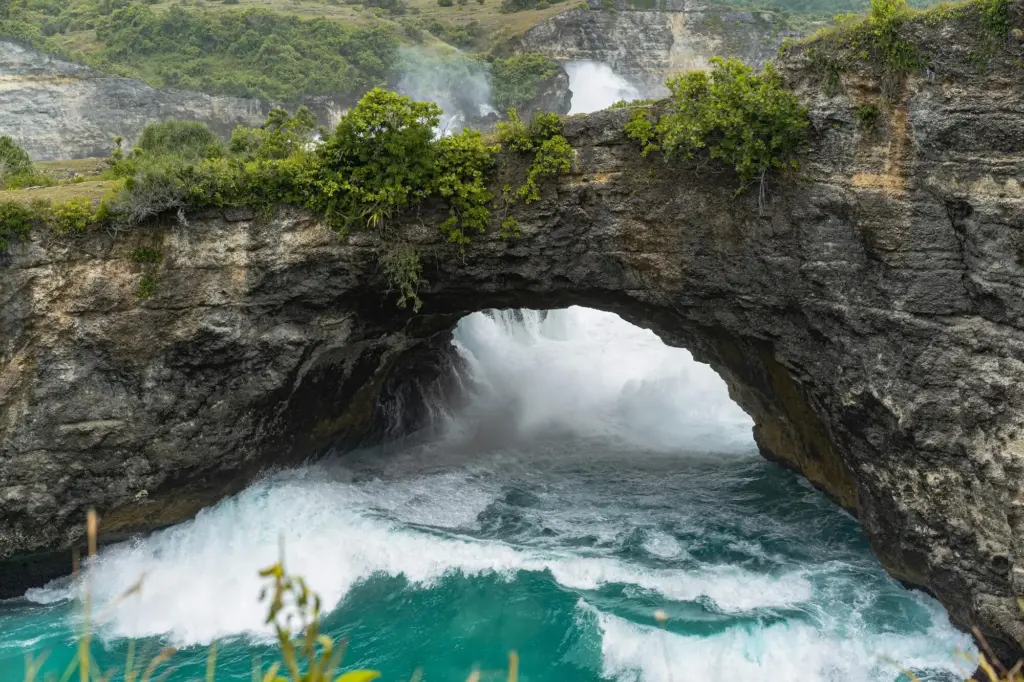
Where Planks Meet Saltmarsh: Boardwalk Highlights Along Devon Estuaries
Feathered Cast: Birds You’re Likely to Meet
Winter Drifts of Black-and-White Elegance
When frost sketches reed tips, avocets gather in porcelain flocks, sweeping bills side to side through quiet shallows. Dark-bellied Brent geese murmur over eelgrass, while dunlin stir the mud like wind over heather. Incoming tides knit these scenes closer to the boards, turning faraway patterns into exquisite, breathing details alive with soft chatter and glancing light.
Spring Voices Over Salt and Bloom
When frost sketches reed tips, avocets gather in porcelain flocks, sweeping bills side to side through quiet shallows. Dark-bellied Brent geese murmur over eelgrass, while dunlin stir the mud like wind over heather. Incoming tides knit these scenes closer to the boards, turning faraway patterns into exquisite, breathing details alive with soft chatter and glancing light.
Residents of Creek and Copse
When frost sketches reed tips, avocets gather in porcelain flocks, sweeping bills side to side through quiet shallows. Dark-bellied Brent geese murmur over eelgrass, while dunlin stir the mud like wind over heather. Incoming tides knit these scenes closer to the boards, turning faraway patterns into exquisite, breathing details alive with soft chatter and glancing light.
Beyond Feathers: Mammals, Invertebrates, and Plants
Life Underfoot in the Mud
Beneath every step on the boards, a city thrives: lugworms garden sediment, ragworms thread burrows, and bivalves filter the estuary’s daily brew. Waders read this script with precision bills, choosing pressure lines where prey concentrates. As light tilts, shallow pools mirror clouds while snail tracks, claw prints, and worm spirals map the day’s quiet industry.
Silent Swimmers and Quick Shadows
Watch the crease of a channel for mullet wakes arrowing upstream, then the sudden comet of a bass juvenile ambushing shrimp. At slack water, V-shaped ripples betray life you never fully see. Occasionally, a grey seal scouts the mouth, and, in hush-of-dawn moments, otter spraints on stones whisper of nocturnal passages.
Fieldcraft on the Boards: Gear, Skills, and Etiquette
Stories from the Edge: Moments That Stay With You
The Incoming Tide That Painted Avocets in Silver
One winter dusk, the sky and water matched like polished steel. As the level rose, avocets stepped closer, each sweep a bright parenthesis on darkening glass. I hardly breathed. The board beneath felt warm with shared watching, and the last note of light caught a single droplet trembling from a bill.
A Kingfisher’s Sapphire Arrow Across the Creek
I was tracing gulls when a blue spark detached from shade and became speed. The kingfisher cleared the rail, skimmed the slick, and vanished through reeds as if pierced by its own brightness. Nothing else moved for a heartbeat, then the estuary exhaled and resumed its gentle, workaday spell.

Join the Watch: Community, Recording, and Return Visits
Make Your Sightings Count
Record dates, times, tides, and approximate counts to turn a pleasant stroll into useful data. Upload lists to community science platforms where patterns emerge and protection strengthens. Every curlew you note and every avocet you tally becomes a stitch that secures future dawns for feathers, fins, and patient watchers alike.
Plan With Tides, Moon, and Weather
Check local tide tables, then overlay moon phase and wind direction to anticipate water height, light, and shelter. A brisk northerly can clear surfaces and stack birds on leeward edges; an evening spring tide might deliver glowing reflections. Keep a simple log so each return visit learns from every tide before it.
Stay in Touch and Share the View
Leave a comment with your favorite boardwalk corner, ask questions about identification, or tell us which season you want to explore next. Subscribe for fresh itineraries aligned to optimal tides, and tag us in photos. Your stories help newcomers find confidence, and your enthusiasm keeps these pathways lively, welcoming, and well-loved.

All Rights Reserved.