Walking the Living Edge of Devon's Quays
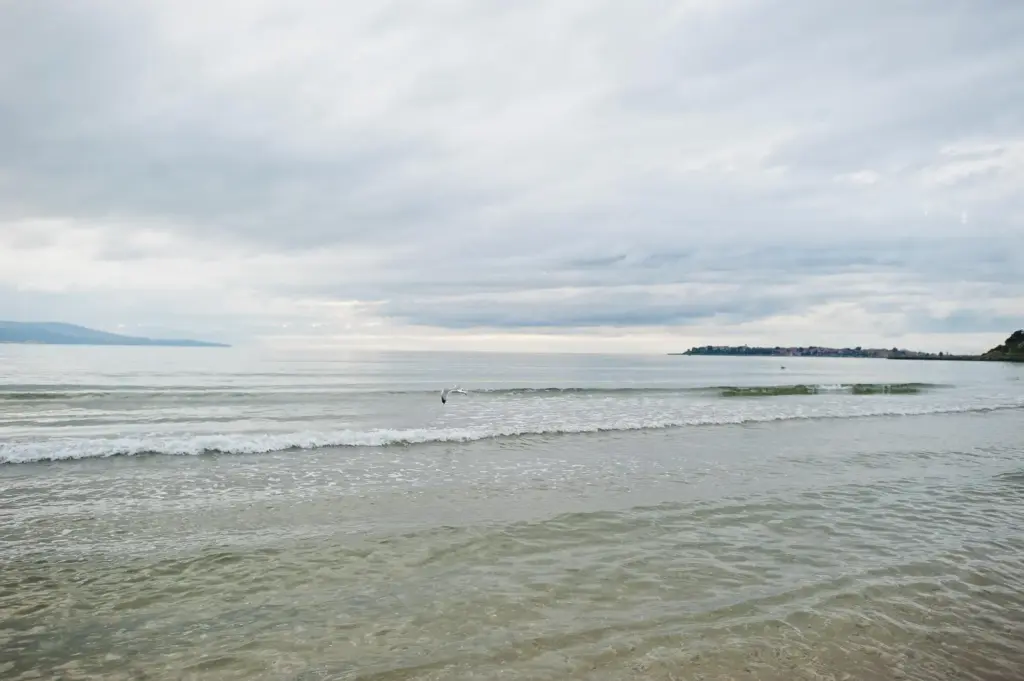
With Tide-Timed Devon Quayside Strolls, we set our pace by the rise and fall of salt water, tracing cobbles, warehouses, and ferries from Exeter to Dartmouth, Bideford to Plymouth. Expect practical timing tips, history-laced stories, cozy food stops, and moments when reflections turn harbors into liquid mirrors. Bring curiosity, comfortable shoes, and a tide table; share your favorite quay and subscribe for new routes shaped by moon, wind, and the wonderfully unhurried pull of the estuary.

Reading the Water: Tides as Your Guide

Before stepping out, learn to read the humble tide table like a friendly map. High water shrinks beaches and cushions wake, low water reveals gleaming mud, weed-slick steps, and stranded keels. Spring tides run higher and faster; neaps linger softly. Plan windows around ferries, lock gates, and sunlight, then leave room for serendipity—an oystercatcher’s call, a sudden rainbow over cranes. Comment with your favorite timing tricks, and follow along for printable checklists tailored to Devon’s most walkable quays.

Using a tide table without overthinking

Pick a reliable source—the UK Hydrographic Office app, a harbor board, or a printed almanac—and note local variations between Exmouth, Dartmouth, and Plymouth Sound. Mark desired high or low water, then add breathing space for coffee, photos, and wandering pauses.

Spring, neap, and the surprise of slack water

Notice fortnightly patterns: spring tides near full and new moons pull harder, revealing steps, chains, and seaweed fringes; neaps soften currents and extend slack water. Your stroll’s character changes accordingly—choose lively swirls or meditative stillness, and respect slippery surfaces throughout.

Exeter and Topsham: Stories Along the Exe

Walk Exeter’s historic quay past the 17th-century Custom House, where rope, wool, and stories once crossed oceans, then drift downstream to Topsham’s Dutch-gabled lanes and shipbuilding memories. At low water, curlews probe the Exe; at high, kayaks and swans cruise amber light. Pause for coffee, listen for bicycle bells on the riverside trail, and share in the comments where you like to watch the tide nibble the quay’s edge.

Ferry crossings as moving viewpoints

Treat the ferry like a floating balcony. Plan two quick crossings around slack water to compare mirror-like calm with textured ripples. Photograph boathouses sliding by, listen for laughter on the slipway, and wave to the steam locomotive curving through trees above the quay.

Naval college lights at blue hour

Arrive as the sky deepens and windows glow on the hillside. High tide pulls reflections into shimmering columns, adding ceremony to your return loop. Pause respectfully at memorials, whisper thanks to lifeboat crews, and share a quiet nod with fellow evening wanderers.

Steam railway timing and shoreline echoes

Check the timetable and pair a short ride with your walk, disembarking to continue along the river’s edge. Bridges hum, whistles echo, and children point at seals or cormorants. Post your favorite vantage in the comments so others can catch the same magic.

North Devon Estuaries: Bideford, Appledore, and the Wide Sky
Long Bridge currents and patient boats

Count the arches and notice how currents shear differently at each pier. Ebbing water shows eddies; flood gathers strength in glossy tongues. Fishermen chat, lines flick, and gulls argue over scraps. Keep clear of quay edges, and admire the boats’ seasoned patience.

Appledore’s colourful front doors

Count the arches and notice how currents shear differently at each pier. Ebbing water shows eddies; flood gathers strength in glossy tongues. Fishermen chat, lines flick, and gulls argue over scraps. Keep clear of quay edges, and admire the boats’ seasoned patience.

Bird tides on the Taw–Torridge

Count the arches and notice how currents shear differently at each pier. Ebbing water shows eddies; flood gathers strength in glossy tongues. Fishermen chat, lines flick, and gulls argue over scraps. Keep clear of quay edges, and admire the boats’ seasoned patience.

Plymouth Barbican and Sutton Harbour: Locking in a Harbour Day

{{SECTION_SUBTITLE}}

First light on cobbles and nets
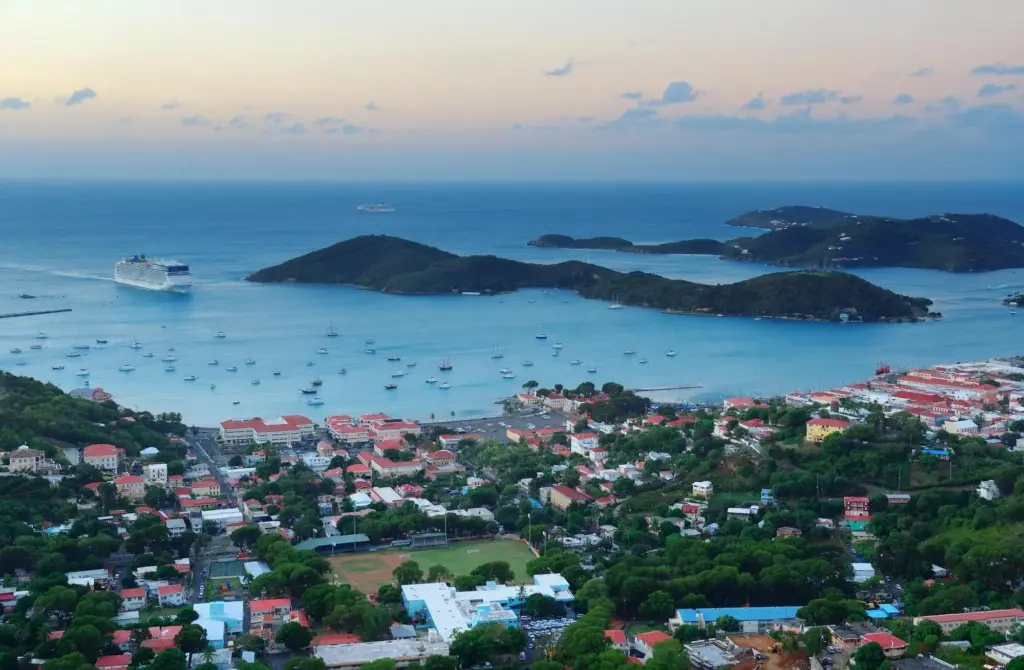
Dawn sharpens textures—tarred lines, stacked pots, and glimmering puddles. If low water meets sunrise beyond the lock, the harbor mouth frames a bright path. Walk slowly, breathe the diesel-and-seaweed perfume, and let your camera linger on hands working with practiced ease.

Reading the lock gate schedule

The cill and gates dictate short windows. Note displayed times, or ask crew kindly; they’ll often share the day’s rhythm with a grin. Plan your loop to witness an opening, then compare wave patterns outside with the inner harbor’s contemplative calm.

Footing, footwear, and mindful balance

Slippery algae loves north-facing steps and shaded slipways. Choose supportive, treaded shoes and keep hands free. If a surface looks doubtfully dark, test gently, then backtrack without pride. Look up often, breathe, and remember the walk’s purpose is presence, not speed or distance.

Weather, wind, and backup plans

Estuary winds swing quickly with tide and valley shape. Carry a light layer, cap, and pocket map or offline app. Identify sheltered loops and café refuges, then enjoy whatever arrives. Report hazards courteously, and help others by noting safer alternatives after storms.
Sanokarovarolivosirarino
Privacy Overview

This website uses cookies so that we can provide you with the best user experience possible. Cookie information is stored in your browser and performs functions such as recognising you when you return to our website and helping our team to understand which sections of the website you find most interesting and useful.